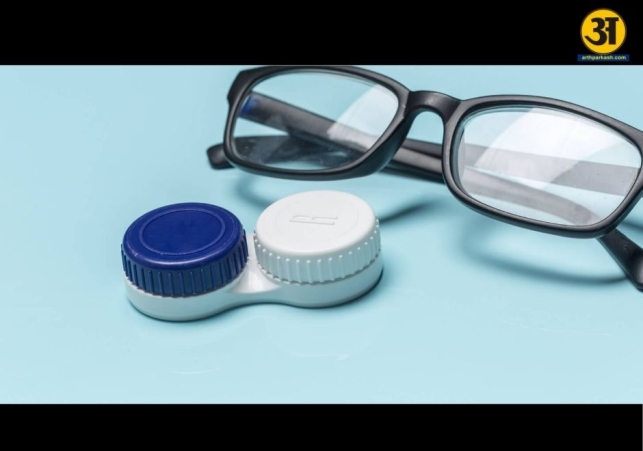
Experts explain how to choose between glasses and contact lenses
Glasses or contact lenses: Which option is better for your eyes?
Choosing between glasses and contact lenses may look like a simple decision, but for many people it is not. Both are popular ways to correct vision. Both help people see clearly. But the better choice often depends on lifestyle, comfort, eye health, and daily routine.
Some people prefer the simplicity of glasses. Others like the freedom and natural feel of contact lenses. There is no single answer that works for everyone. Eye specialists say the best option is the one that suits your needs without harming your eyes.
Your age, job, screen time, sports activity, travel habits, and eye sensitivity can all influence the right choice. In many cases, doctors even suggest using both glasses and contact lenses for different situations.
Why glasses remain the easiest option
For many people, glasses are still the safest and simplest way to correct vision. They are easy to wear, easy to remove, and do not touch the surface of the eye. This means the chances of irritation or infection are lower compared to contact lenses.
Glasses are also low maintenance. You do not need to place anything inside the eye or worry about cleaning solutions every day. Usually, cleaning the lenses and keeping the frame in good condition is enough.
Another advantage is protection. Glasses can create a barrier between your eyes and dust, smoke, pollution, wind, and small particles in the air. This can be useful in busy cities or outdoor areas.
Many people who spend long hours on computers also choose glasses with anti-glare or blue-light filter coatings. While these coatings may not solve all screen problems, they can improve comfort for some users.
Benefits of glasses
-
Easy to use
-
Lower risk of infection
-
No direct contact with the eye
-
Good for dry or sensitive eyes
-
Can protect from dust and pollution
-
Stylish frame choices available
-
Suitable for children and older adults
Limits of glasses
Even though glasses are convenient, they also have some disadvantages.
-
They may fog up in humidity or cold weather
-
Rain can affect visibility
-
Frames may feel heavy after long use
-
They can slip during exercise or sports
-
Side vision may feel limited for some people
-
Some people dislike how they look in frames
Still, for everyday use, glasses remain the preferred option for millions of people.
Where contact lenses have the advantage
Contact lenses offer a different experience. Since they sit directly on the eye, there are no frames blocking the face or side vision. Many people feel they provide a more natural field of vision.
This is especially useful for sports, exercise, dancing, and active lifestyles. Lenses do not bounce, slip, or fall like glasses can during movement. They also do not fog up while wearing masks, entering air-conditioned rooms, or stepping into humid weather.
Many people also choose contact lenses for cosmetic reasons because they prefer not wearing glasses. Some coloured lenses can even change eye appearance.
Benefits of contact lenses
-
Clear and natural vision
-
Better peripheral vision
-
Useful for sports and movement
-
No fogging during weather changes
-
No marks on the nose
-
Comfortable for occasional events or travel
-
Good for those who dislike frames
Responsibilities that come with lenses
While contact lenses offer freedom, they also need proper care. This is the biggest difference between lenses and glasses.
Lenses must be cleaned, stored, and replaced correctly. Dirty hands, expired solution, or wearing lenses too long can lead to irritation or serious eye infections.
Sleeping with lenses when not advised, sharing lenses, or wearing them in dirty water can be risky.
Some people also experience dryness, redness, burning, or discomfort, especially in air-conditioned rooms or during long screen use.
People with naturally dry eyes, allergies, or frequent eye irritation may find lenses harder to tolerate.
Which option is better for daily life?
The answer depends on your routine.
Glasses may be better if you:
-
Work long hours at a desk
-
Prefer low maintenance options
-
Have dry or sensitive eyes
-
Want lower infection risk
-
Need something affordable over time
-
Do not like touching your eyes
Contact lenses may be better if you:
-
Play sports or exercise often
-
Prefer no frames on the face
-
Need wider side vision
-
Attend social events often
-
Want flexibility with appearance
Can you use both?
Many eye doctors recommend a combined approach. This means using glasses most of the time and contact lenses when needed.
For example:
-
Glasses for office work or home use
-
Contact lenses for weddings, sports, travel, or outdoor events
This method gives convenience while allowing the eyes to rest from lenses regularly.
What matters more than the choice
Whether you choose glasses or contact lenses, healthy habits matter most.
Important eye care tips
-
Get regular eye check-ups
-
Replace old prescriptions when needed
-
Avoid rubbing your eyes
-
Keep lenses clean and follow usage rules
-
Remove lenses if eyes feel painful or red
-
Rest eyes during long screen use
-
Blink often while using devices
-
Stay hydrated
Ignoring eye discomfort can lead to bigger problems later. If you feel pain, blurry vision, discharge, or redness, see an eye doctor quickly.
Cost comparison
Glasses usually need one-time spending for frames and lenses, though they may need replacement later.
Contact lenses can become costlier over time because they need regular purchases, cleaning solution, and replacements.
Daily disposable lenses may cost more than monthly lenses, but they can be more hygienic for some users.
Final verdict
Neither glasses nor contact lenses are universally better. Glasses are easier, safer, and more practical for daily life. Contact lenses offer flexibility, comfort during movement, and a natural look.
The right option depends on your lifestyle, comfort, and eye condition. For many people, the smartest solution is not choosing one over the other, but using both wisely.
At the end of the day, clear vision is important, but healthy eyes matter even more.
Related News